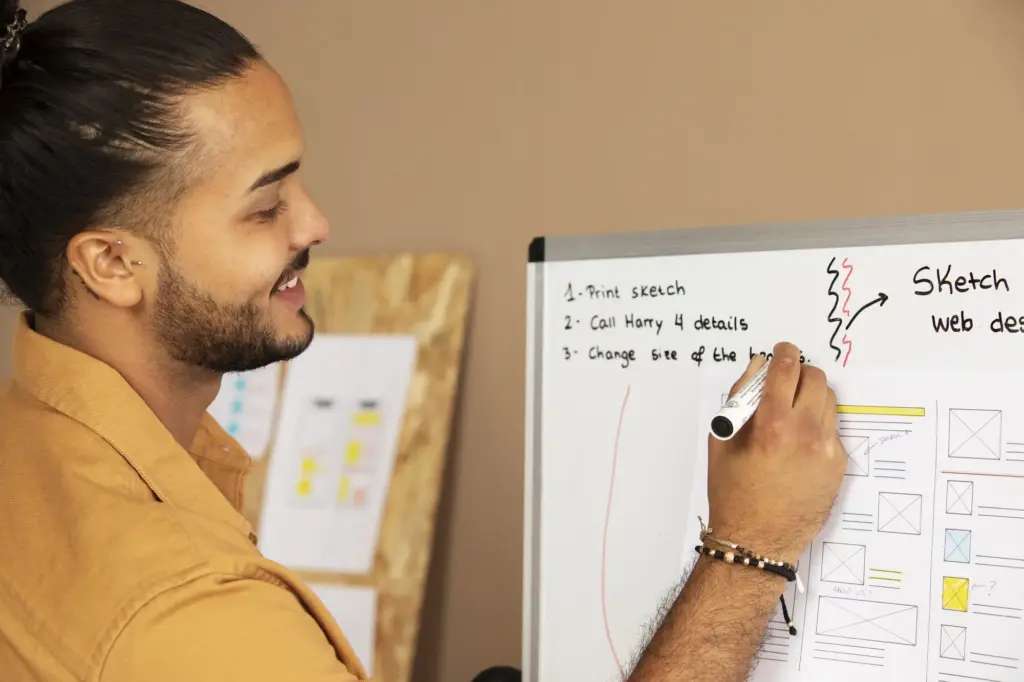
Maya documented four branches—SQL optimization, experiment design, stakeholder interviews, narrative dashboards—each with examples and impact. During review, she connected wins to branches and dependencies she intentionally mastered. The conversation shifted from hours worked to capabilities gained, and her new scope aligned exactly with the next levels already mapped.
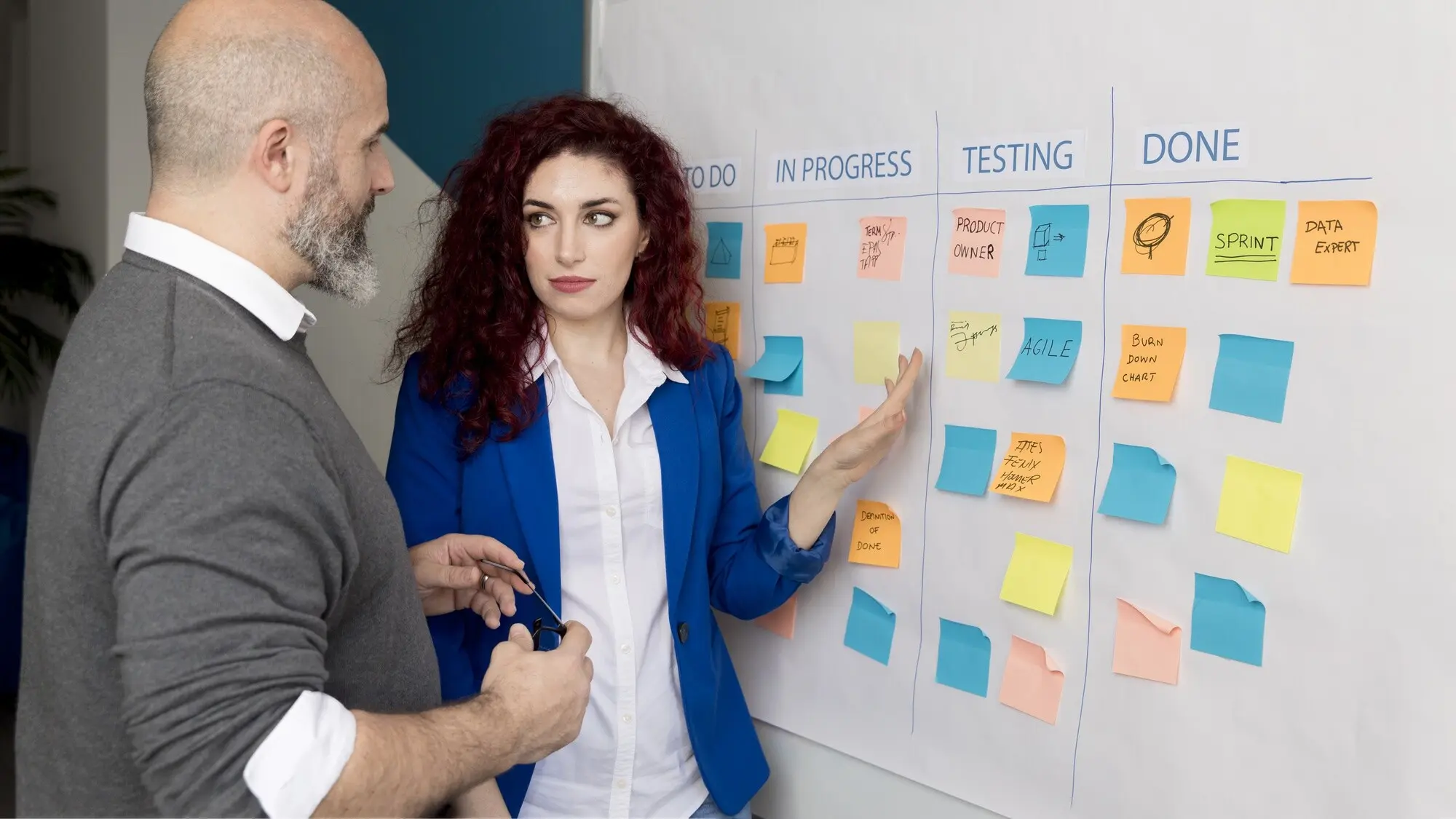
Jon mapped discovery, delivery, and influence branches, then noticed weakest links in facilitation and measurement. He scheduled short workshops, instrumented feature launches, and published decision memos. Within a quarter, engineering trusted his trade-offs, design welcomed early collaboration, and leadership used his artifacts in planning without being asked.

Favor artifacts portable beyond one employer: public talks, open-source contributions, anonymized case studies, or quantifiable improvements. Evidence that travels converts interviews into collaborative reviews. Instead of proving you might perform, you show work already done, reducing perceived risk and inviting higher-scope offers aligned with your mapped strengths.
Sunset skills gracefully. Note what each retired branch taught, archive resources, and redirect energy to adjacent abilities with stronger demand. Pruning acknowledges sunk costs while protecting focus, which is how senior practitioners keep shipping value rather than defending historical investments that no longer produce meaningful outcomes.